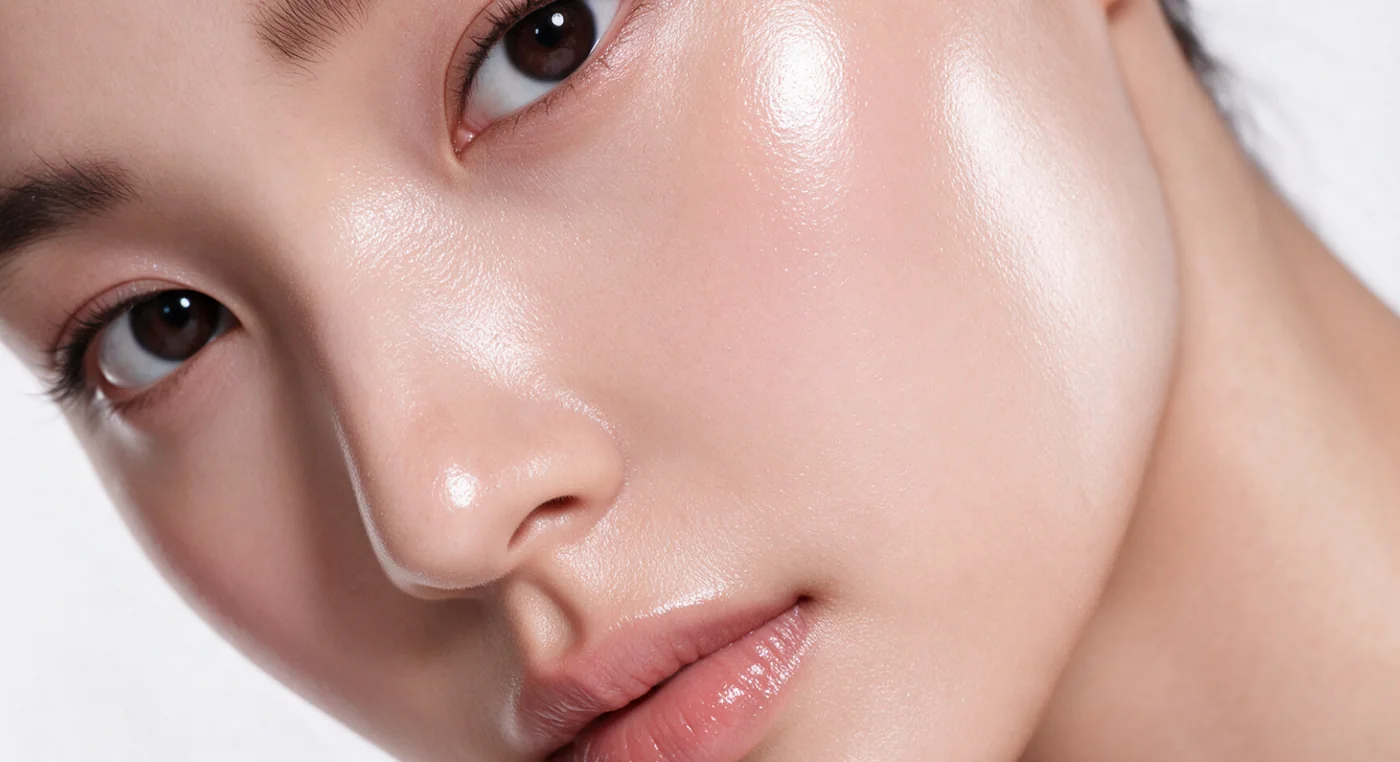
Korean skincare is no longer exotic: a cleansing oil, toner pads and an ampoule sit on almost every bathroom shelf. Yet the even, luminous complexion people call Korean skin never comes from a single product. It is the result of a daily routine with clear logic. Here is how it works, step by step, and how to build your own.
What makes Korean skincare different
In Korea, skincare starts long before the first wrinkle. The core idea is to keep skin healthy every day rather than fix problems later. That leads to three differences.
- Gentle formulas. Instead of harsh scrubs and squeaky-clean washing: oils, enzymes and mild acids that respect the skin barrier.
- Light textures in layers. Toner, ampoule, lotion, cream: each product does one job, and together they work as a system.
- Advanced actives. Fermented ingredients, hyaluronic acid in several molecular weights, liposomal retinol, centella asiatica.
The goal of a Korean routine is even, plump, hydrated skin with a natural glow, known as glass skin.
The Korean skincare routine: morning and evening steps
You do not have to go through all of the famous ten steps: they are a menu to choose from. A Korean routine rests on five stages, applied from the lightest texture to the richest. Each stage is explained in detail in Science.
- 1. Cleanse. A cleansing oil dissolves sunscreen, makeup and sebum.
- 2. Wash. A foam or gel removes what is left without tightness.
- 3. Tone and hydrate. A toner or toner pads fill the skin with moisture and prepare it for actives.
- 4. Treat. A serum or ampoule for what your skin needs: hydration, firmness, even tone.
- 5. Nourish and protect. A cream seals in moisture; in the morning, sunscreen completes the routine.
In the morning, washing, hydration, cream and sun protection are enough. The evening calls for the full cycle: double cleansing, hydration and actives.
Seven secrets of a daily Korean routine
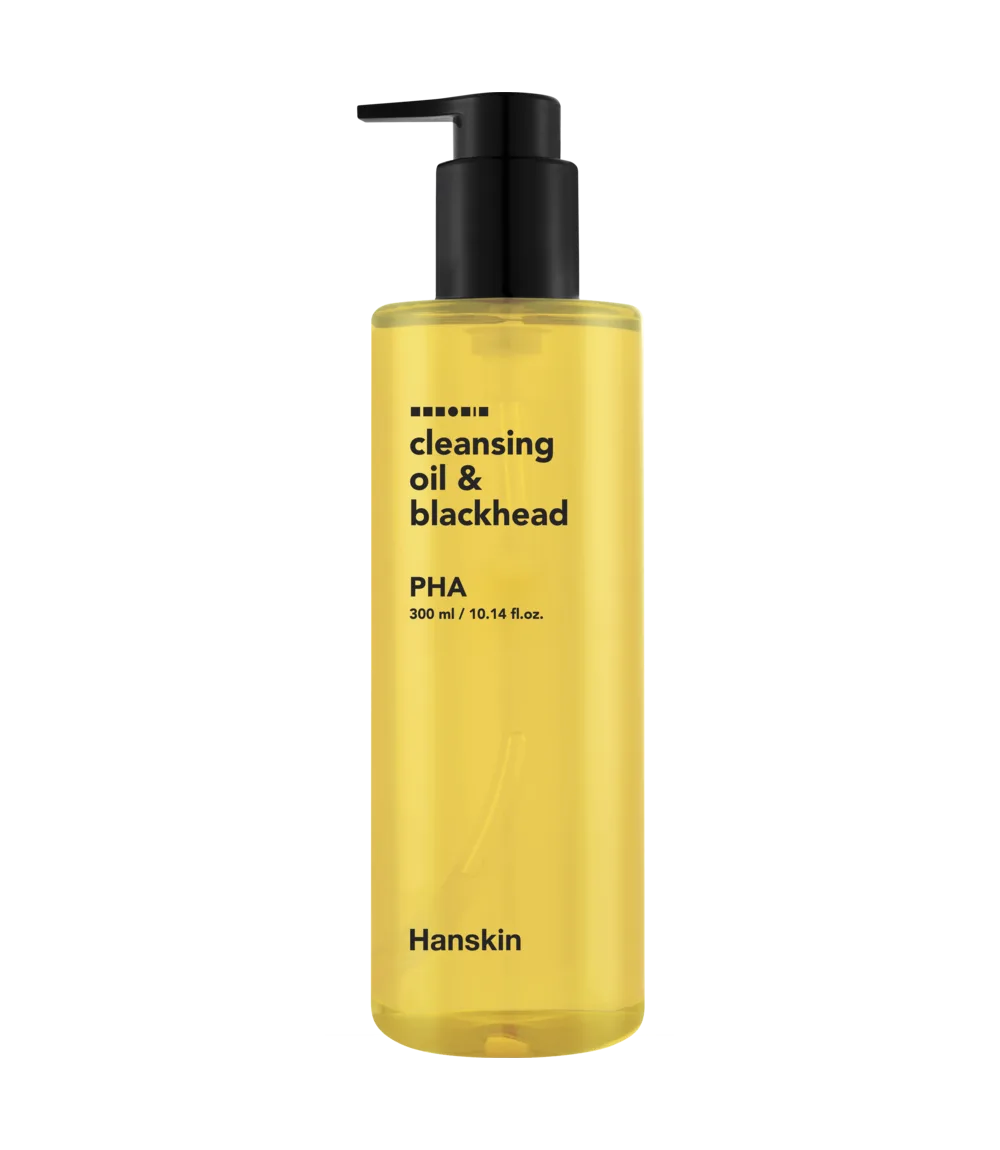
1. Double cleanse every evening. Sunscreen and long-wear makeup do not dissolve in water, but they do dissolve in oil. Start with a cleansing oil on dry skin, then follow with a gentle foam. Choose the oil by skin type: with PHA for sensitive skin, with AHA and ceramides for dry and combination skin, with BHA for oily skin. The technique is covered in our double cleansing guide.
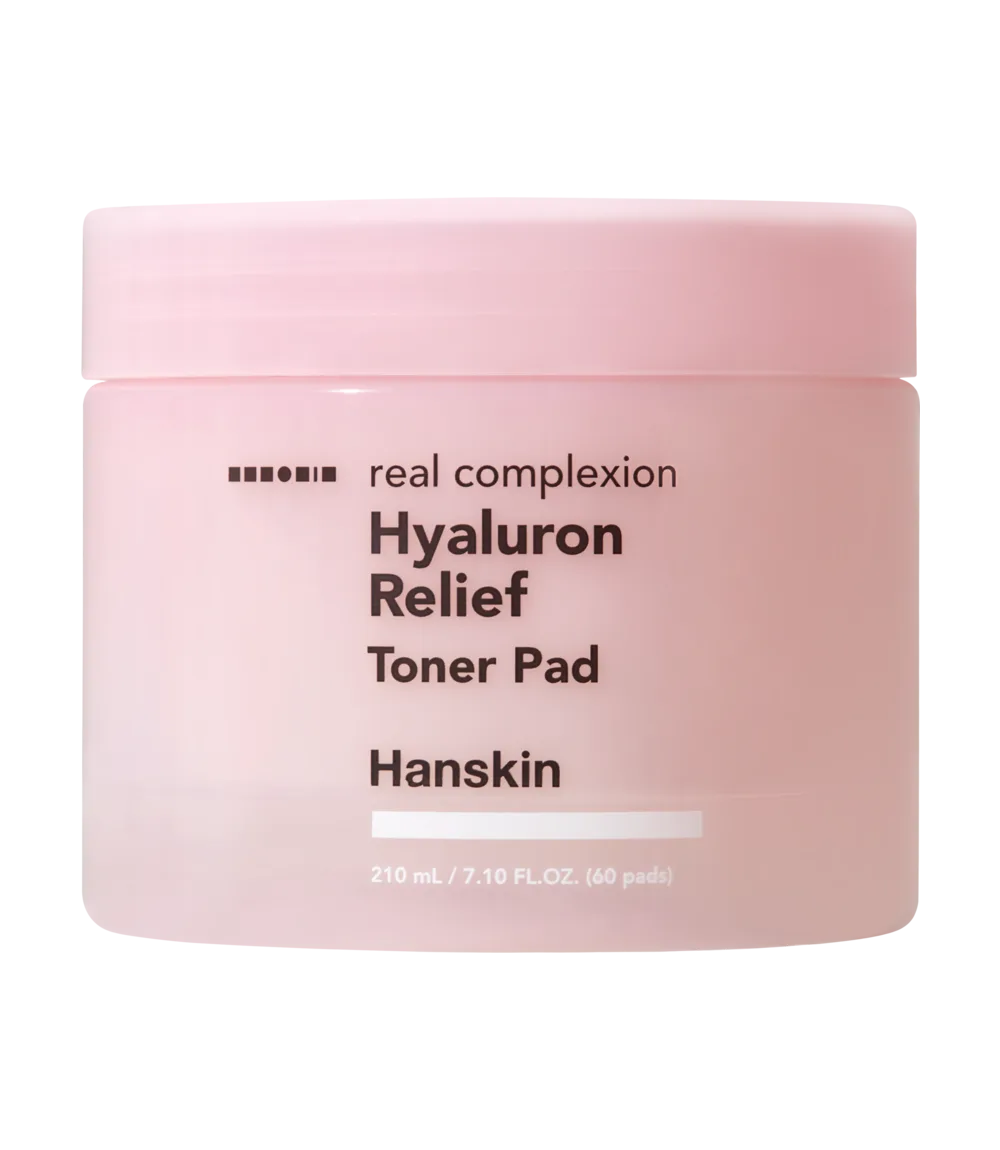
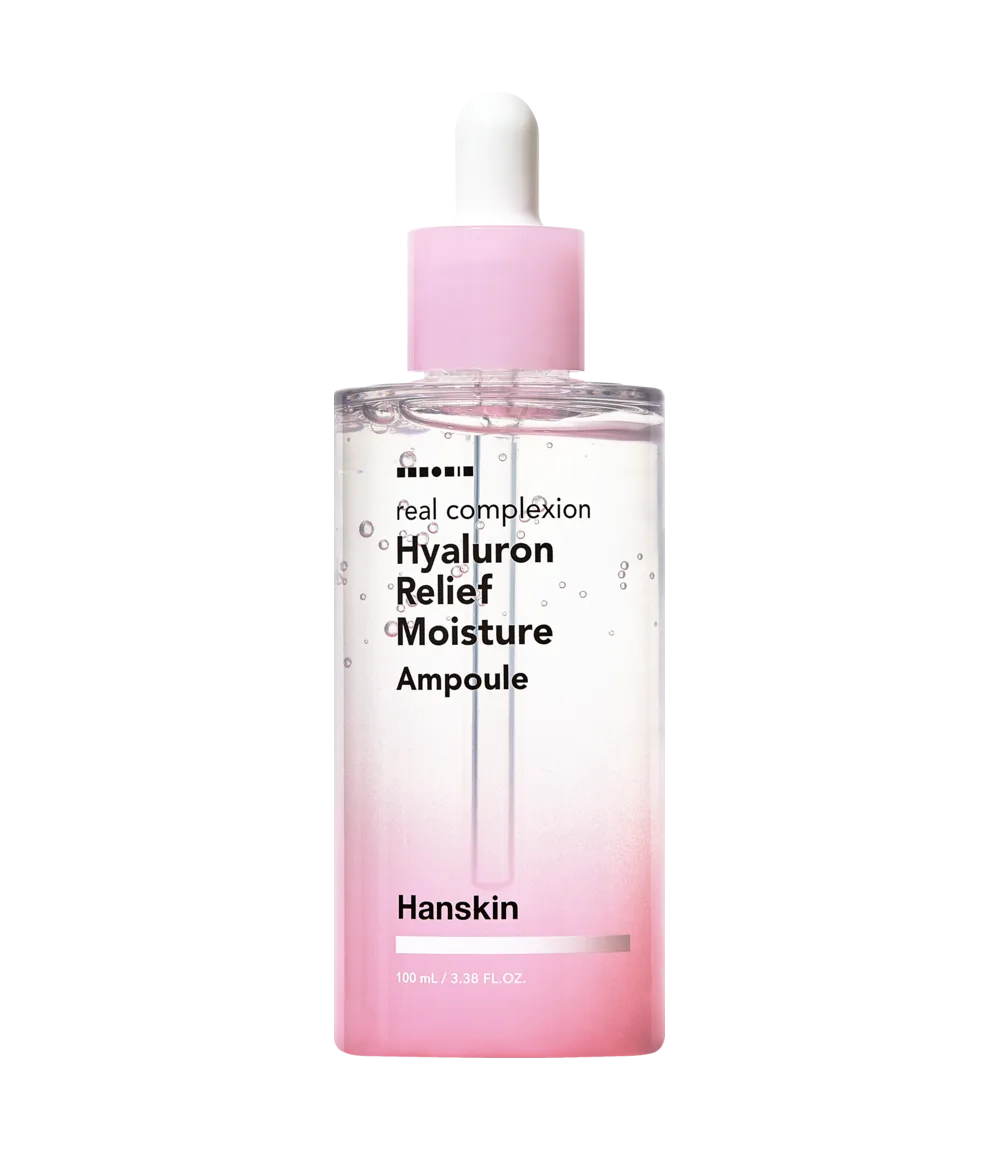
2. Hydrate in layers. Several thin layers take the place of one heavy cream: toner pads, ampoule, cream. This keeps water at different levels of the skin. In the Hyaluron line that means the toner pads, the ampoule with eight types of hyaluronic acid and the cream.
3. Exfoliate gently instead of scrubbing. Rough particles damage skin, so Korean skincare replaces them with enzymes and acids. An enzyme powder with papain dissolves dead cells; two or three times a week is enough. To choose an acid, see PHA vs AHA vs BHA.
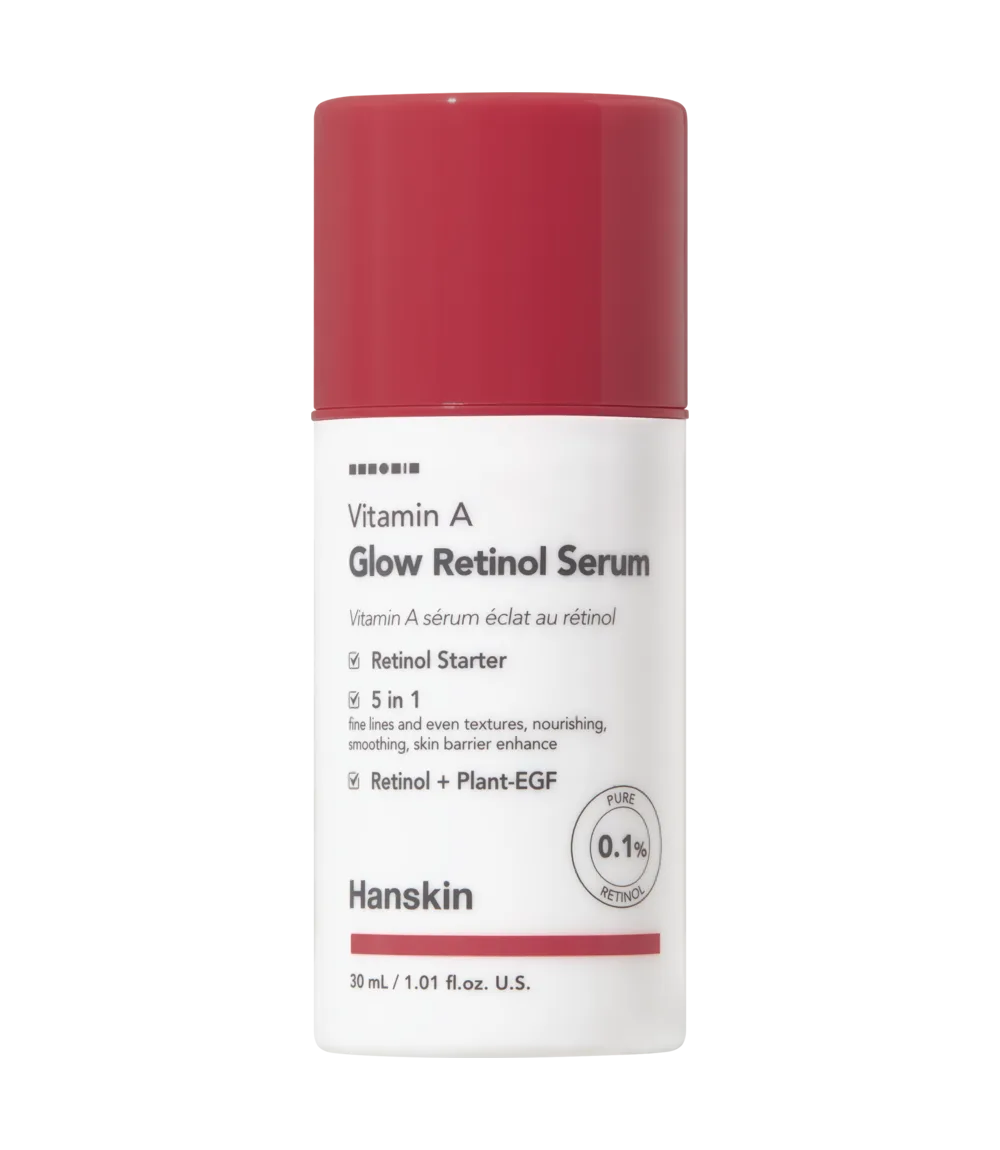
4. Mild actives, used consistently. The Korean approach relies on consistency, with no shock therapy. One example is the serum with 0.1% liposomal retinol: skin adapts to vitamin A without irritation, and results build week after week. The step-by-step plan is in our retinol guide for beginners.
5. Sun protection all year round. UV light ages skin in winter and on cloudy days too. That is why a Korean morning routine always ends with sunscreen.
6. Follow your skin, not a habit. Today your skin needs moisture; tomorrow a light lotion will do. When skin feels dry, go through every layer. When it turns oily, use fewer. The number of jars is secondary.
7. Makeup as an extension of skincare. BB cream was popularised in Korea as a product that evens out tone and cares for skin at once. Hanskin was among the first to turn it into an everyday essential. Read the story in our article on the first BB cream.
Ingredients to look for in Korean skincare
- Hyaluronic acid in several molecular weights: large molecules hold moisture on the surface, small ones work deeper.
- Centella asiatica and panthenol soothe sensitive skin and support the barrier.
- PHA, AHA and BHA gently renew skin and clear pores.
- Vitamin C and niacinamide take care of even tone and glow.
- Retinol helps skin renew itself faster and smooths wrinkles.
- Peptides and collagen restore density and firmness.
- Enzymes such as papain exfoliate without friction.
For how to match an active to your concern and what to combine it with, see Winter skincare actives.
How to choose Korean skincare for your skin type
- Dry and dehydrated skin. The oil with AHA and ceramides, plus the Hyaluron toner pads, ampoule and cream.
- Oily and combination skin. The oil with BHA, the deep pore cleansing foam and the light vitamin C lotion.
- Sensitive skin. The oil with PHA, the gel cleanser with centella and panthenol, and fragrance-free, alcohol-free hydration.
- Skin showing signs of ageing. The retinol serum and retinol cream, the collagen peptide ampoule and the eye cream.
In the catalogue you can filter products by skin type and concern.
How to tell authentic Korean skincare
The popularity of Korean skincare has brought counterfeits and grey imports. Four signs help you check authenticity.
- The seller is the official store of the brand or its importer.
- The packaging carries a Russian-language label with the importer's details and the EAC mark.
- The ingredient list matches the one on the brand's official website.
- The price is not several times lower than usual.
Official Hanskin stores on marketplaces and in retail chains are listed on the Where to buy page.
Hanskin: Korean skincare with a history
Hanskin was founded in South Korea in 2001 and is known as a BB cream pioneer. Since 2013 the brand has been part of the biotech group Celltrion, and every formula goes through clinical testing. Today Hanskin is available in 17 countries, and its products reach Russia through an official importer.
Frequently asked questions
How many steps does a Korean routine need? At least three: cleansing, hydration and sun protection. Add the rest as your skin requires.
Is Korean skincare suitable for sensitive skin? Yes. Gentle formulas are the foundation of the Korean approach. Start with products containing PHA, centella and panthenol.
Can I combine Korean skincare with other products? You can. What matters is the order, from light textures to rich ones, and the compatibility of actives. Keep retinol and acids for different evenings.
How soon does a Korean routine show results? Hydration shows at once. Even tone and smoothness come after three to four weeks of regular care; wrinkles take longer, from three months.