Retinol is called the gold standard of anti-ageing skincare, and it scares beginners more than any other active. Flaking, redness, "it didn't suit me": almost always that is how a rushed start ends, and retinol itself is not to blame. Step by step: how to use retinol, how to introduce it into your routine and which strength to start with.
What retinol is and why skin needs it
Retinol is a form of vitamin A. In the skin it converts into retinoic acid, which speeds up cell renewal and stimulates collagen production. Used regularly, retinol smooths wrinkles, evens out tone and texture, makes pores less visible and skin firmer.
Its effect is cumulative. Retinol does not work like a one-evening mask, but after a few months it delivers results that hydration alone cannot.
Myth: retinol is not for sensitive skin
This is the most common misconception. Sensitive skin reacts badly not to retinol as such, but to a high strength, a harsh form and an abrupt start. With a gentle formula introduced gradually, retinol suits sensitive skin too.
What to look for in the formula:
- Low strength. 0.1% is enough to start.
- Liposomal or encapsulated form. Retinol sits in a capsule and is released gradually, so it acts more gently.
- Soothing ingredients alongside. Panthenol, ectoin, ceramides and centella support the barrier while skin adapts.
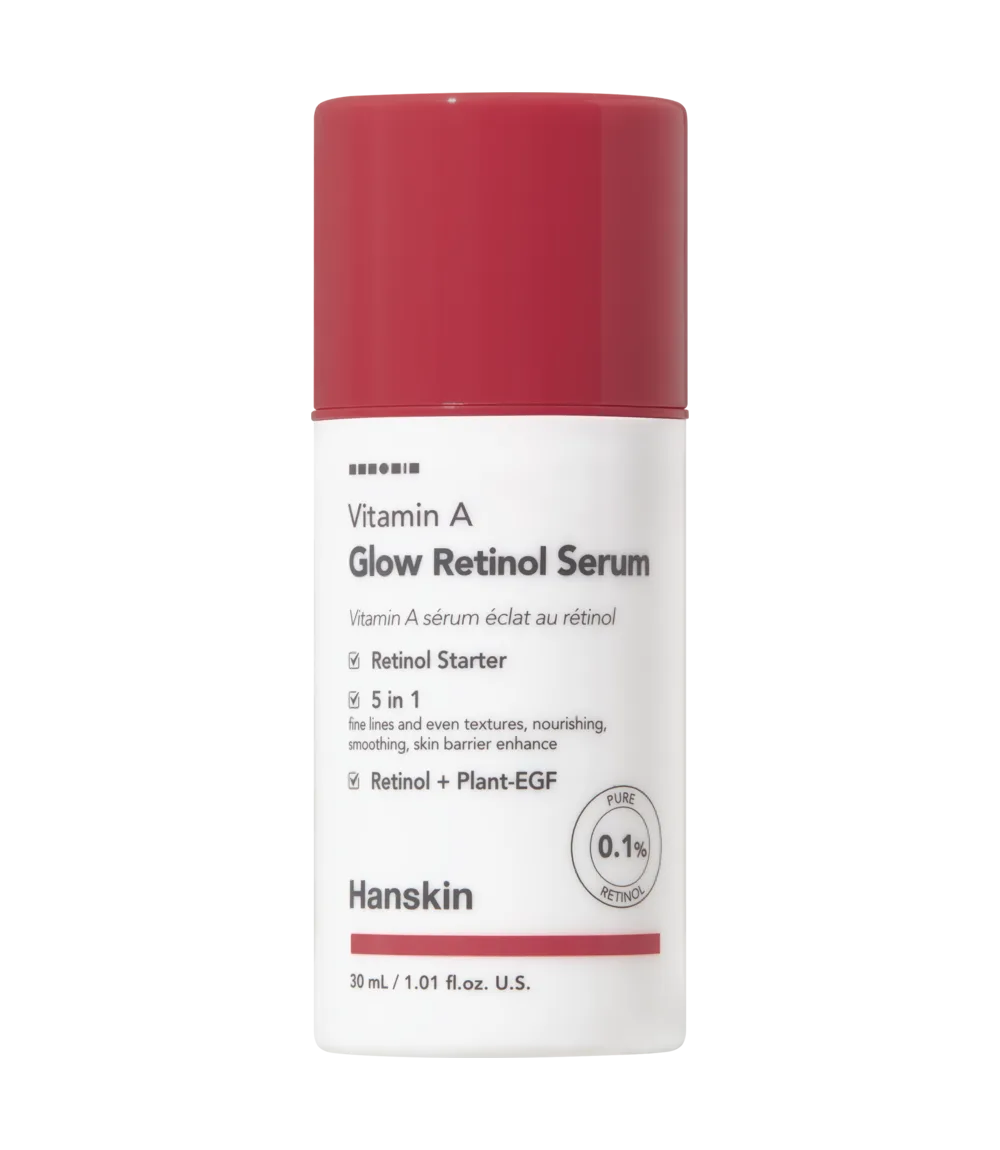
The Hanskin Vitamin A Glow serum is built on this principle: 0.1% pure retinol in liposomal form, panthenol and ectoin. The manufacturer calls this format a retinol starter.
Which retinol strength to start with
The main rule is to start low. A high strength will not bring results sooner. It does raise the risk of irritation, after which the routine has to be paused.
- 0.1–0.3% for beginners and sensitive skin.
- 0.3–0.5% once skin has adapted and tolerated retinol well for several months.
- 1% for experienced users with resilient skin.
Consistency matters more than the number on the box. A 0.1% retinol you apply for months will do more than a 1% one you had to give up after two weeks.
How to introduce retinol: a two-month plan
- Weeks 1–2. Two evenings a week, for example Monday and Thursday.
- Weeks 3–4. Three evenings a week, every other day.
- Weeks 5–8. Every other evening. If skin stays calm, you can move to nightly use.
If dryness or flaking appears, go back one stage and stay there for a week or two. There is no rush: skin needs time to adjust.
How to apply retinol correctly
Retinol is used in the evening: light breaks it down, and skin is more sensitive to the sun afterwards.
- 1. Cleanse. A double cleanse works well: a cleansing oil, then a gentle foam.
- 2. Let skin dry. On damp skin retinol penetrates faster and may cause irritation.
- 3. Apply toner or toner pads and wait a minute.
- 4. Spread the retinol. A pea-sized amount is enough for the whole face. Avoid the corners of the eyes, the sides of the nose and the lips.
- 5. Finish with a cream. It holds moisture and softens the action of retinol.
- 6. Apply sunscreen in the morning. This is essential at any time of year.
For very sensitive skin, try the sandwich method: a thin layer of cream, then retinol, then cream again.
What to combine retinol with, and what to avoid
Good partners: hyaluronic acid, panthenol, centella, ceramides, peptides, niacinamide. They hydrate and support the barrier. A good pair for a retinol evening is the toner pads and the Hyaluron cream.
Keep for different evenings: acid toners and peels, enzyme powder, cleansing masks. Double renewal in one evening overloads the skin.
Morning, not evening: products with pure vitamin C. This way the actives do not get in each other's way. More on combinations in Winter skincare actives.
Retinisation: what is normal and what is not
During the first two to four weeks you may notice slight dryness, tightness and a little flaking. This adjustment period is called retinisation. It passes on its own if you do not step up the frequency and keep skin well hydrated.
Burning, persistent redness and itching are not normal. Take a break for a few days, then use retinol less often. For how to repair your skin, see our article on the skin barrier. In the meantime, products with centella and panthenol come in handy, such as the calming gel cleanser.
Retinol serum or retinol cream: which to choose
- Retinol serum: a light texture for normal, combination and oily skin. Applied at the treatment step, under a cream.
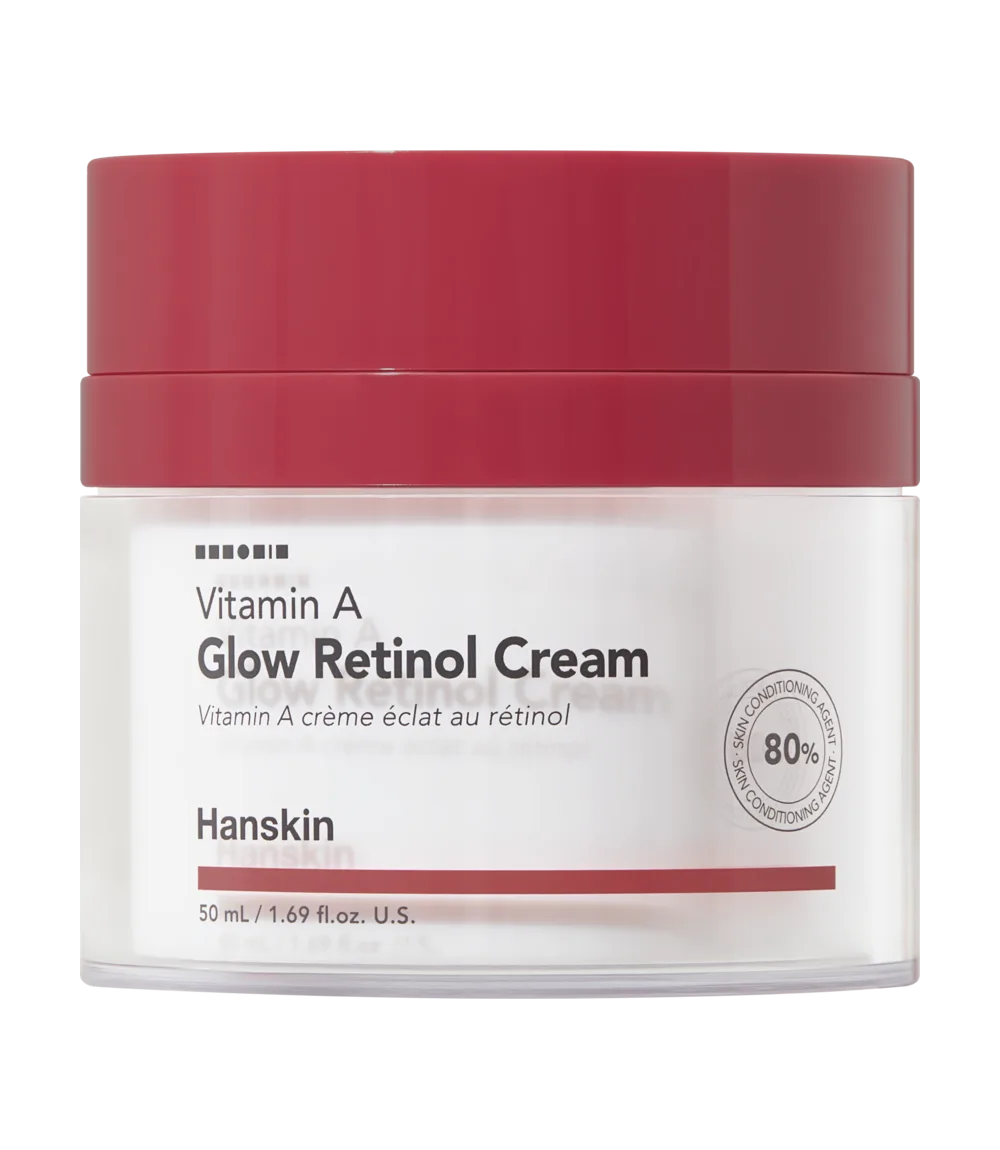
- Retinol cream: for dry, dehydrated and mature skin. It is 80% skincare ingredients and completes the evening routine.
Start with one product. Combine the retinol serum and cream in one evening only after skin has fully adapted.
Five beginner mistakes
- Starting with a high strength.
- Applying retinol every evening from day one.
- Forgetting sun protection in the morning.
- Combining retinol with acids and scrubs in one evening.
- Giving up after two weeks, before results appear.
Frequently asked questions
At what age can I start using retinol? Usually from 25–30, when the first signs of ageing appear. The condition of your skin matters more than your age on paper.
Can I use retinol in summer? Yes, provided you wear sunscreen every day. Starting in winter is easier: the sun is less intense.
Can I use retinol during pregnancy? Retinol products are not recommended during pregnancy and breastfeeding. Discuss your routine with a doctor.
When will I see results from retinol? Smoothness and even tone show after four to six weeks. Wrinkles take longer: three to six months.
Can I apply retinol around the eyes? Regular retinol products are not applied to the eyelids. This area needs dedicated formulas, such as the peptide and collagen eye cream.