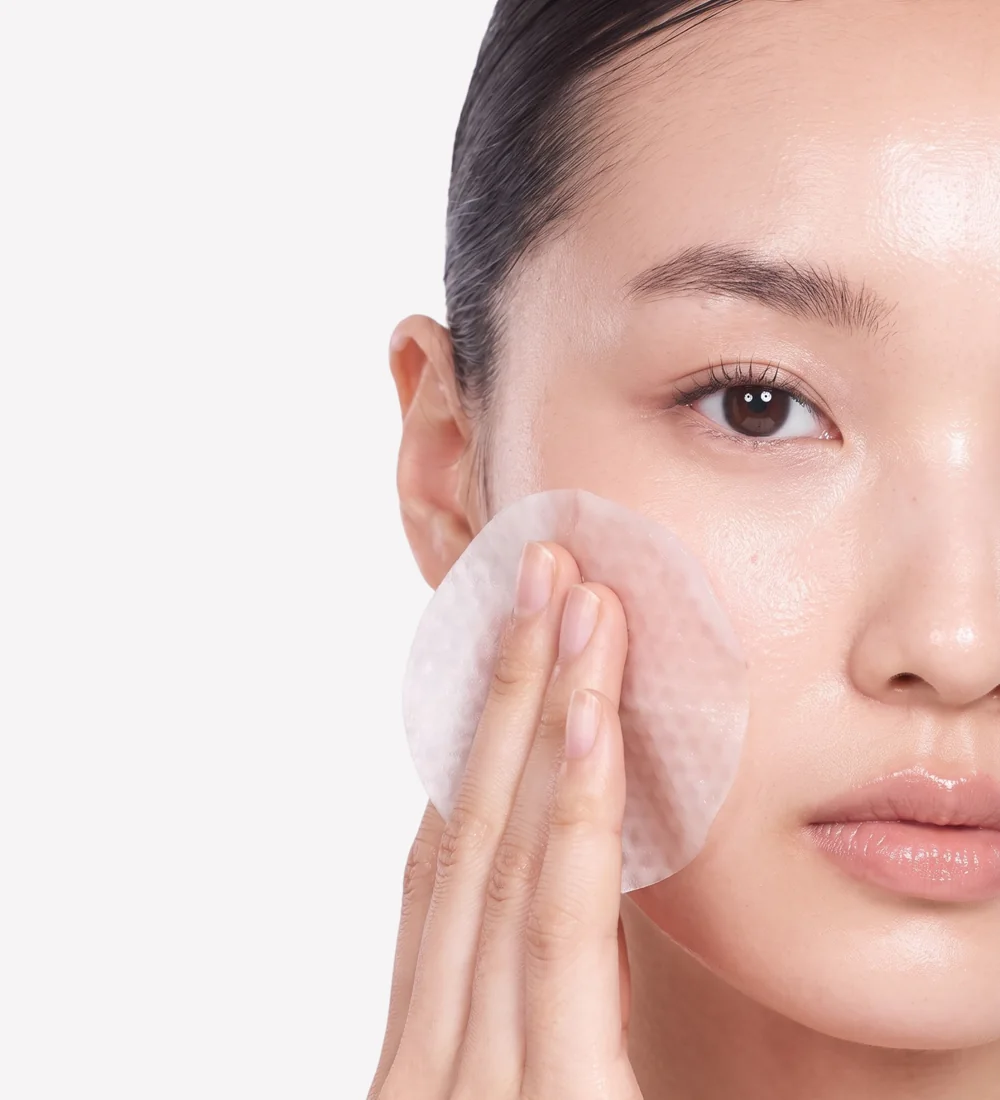
Your skin feels tight after washing, your usual cream suddenly stings, and flaky patches appear on your cheeks. Most likely the problem is not the wrong products but a damaged skin barrier. This guide covers how it works, which signs point to damage and how to repair the barrier in a few weeks.
What the skin barrier is
The skin barrier is the outermost layer of the skin, the stratum corneum. It is often compared to a brick wall: the cells are the bricks, held together by a lipid mortar of ceramides, cholesterol and fatty acids. On top lies a thin hydrolipid film of water and sebum.
The barrier has two jobs: to keep moisture in and to keep irritants, allergens and bacteria out. When there is not enough mortar, gaps appear in the wall: water evaporates faster and skin starts reacting to everything.
Signs of a damaged skin barrier
- tightness and dryness, especially after washing;
- flaking that even a rich cream does not fix;
- redness and a feeling of heat;
- burning and stinging from products that used to suit you;
- dull, rough-looking skin;
- oily shine combined with a dry feel;
- sudden breakouts.
If two or three of these match, your barrier needs a break.
What damages the skin barrier
- Harsh cleansing. Squeaky-clean washing, hot water, rough scrubs and brushes.
- Too many actives. Acids, retinol and peels at once or too often.
- Cold and dry air. In winter, freezing air outdoors and central heating indoors draw moisture out of the skin.
- Lack of hydration. Skin short of water renews its lipid layer more slowly.
- Unprotected sun exposure. UV light damages the cells and lipids of the outer layer.
How to repair the skin barrier: a 2–4 week plan
1. Pause your actives. For two weeks, drop retinol, acid toners and peels, enzyme powder, scrubs and cleansing masks. Repair first, renewal later.
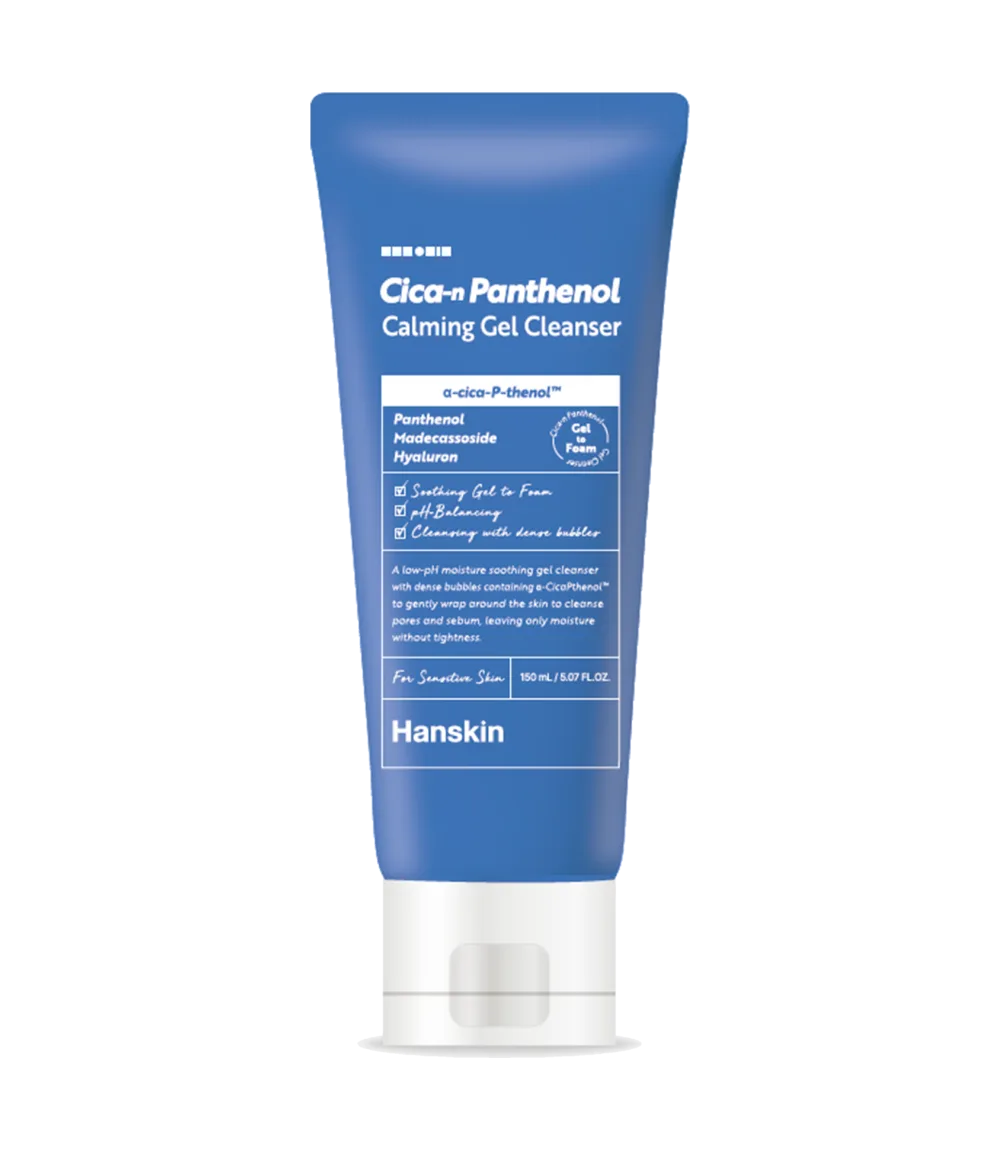
2. Switch to gentle cleansing. Wash with lukewarm water and a cleanser that leaves no tightness. The gel cleanser with centella and panthenol cleans without disturbing the skin's pH. In the evening, remove makeup and sunscreen with the cleansing oil for sensitive skin, with no cotton pads and no rubbing.
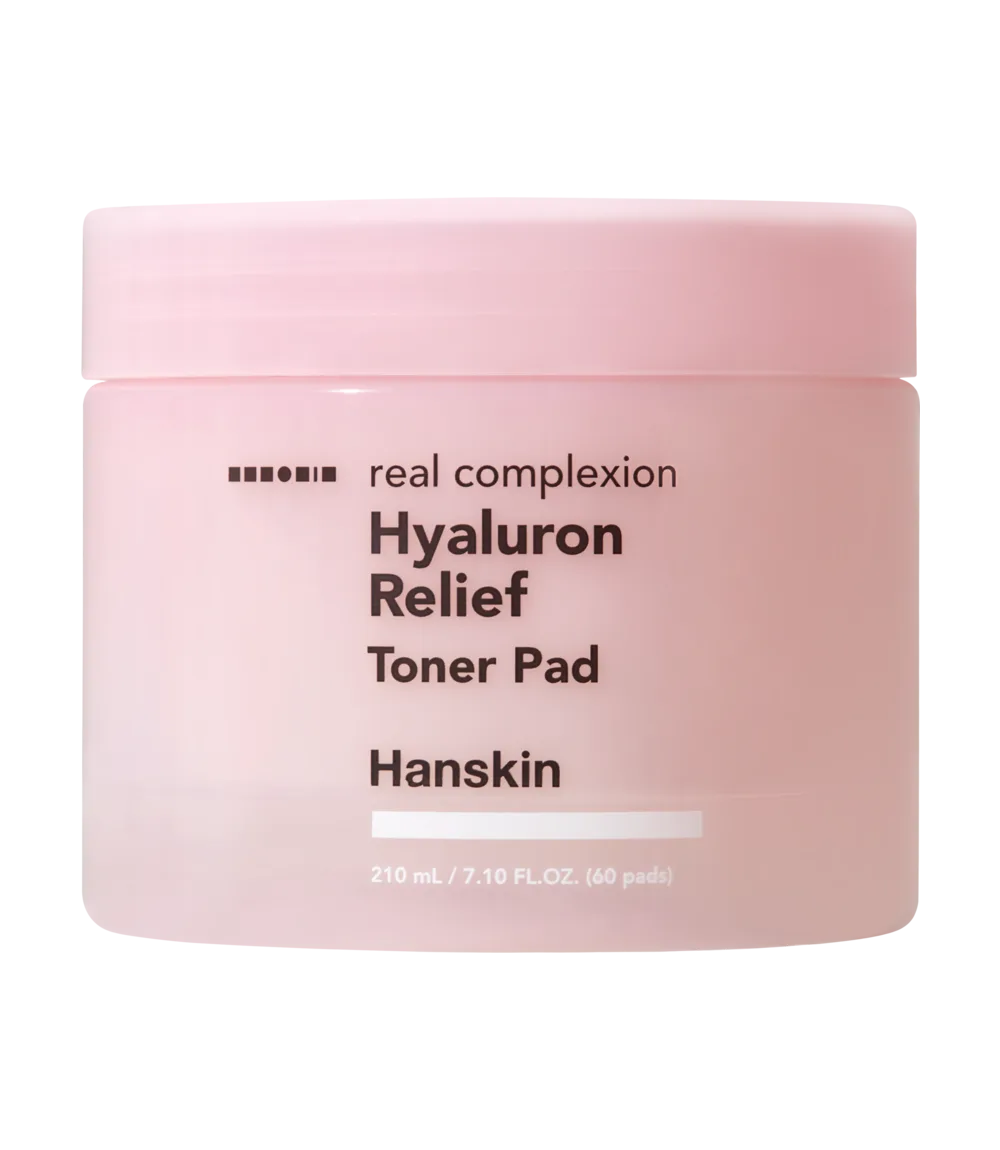
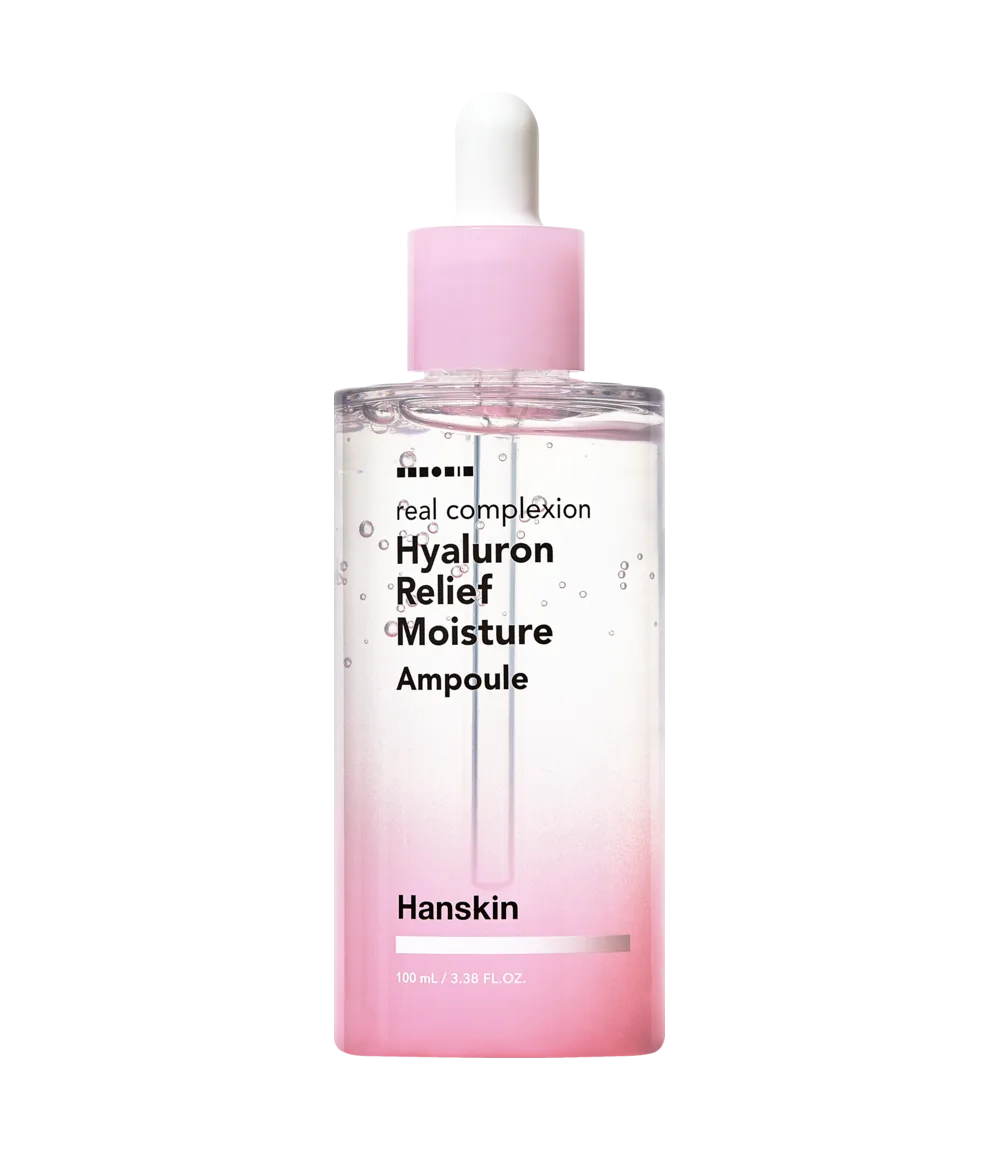
3. Hydrate in layers. Right after washing, press toner pads onto your face or apply a toner, then the hyaluronic acid ampoule. Several thin watery layers work better than one heavy one.
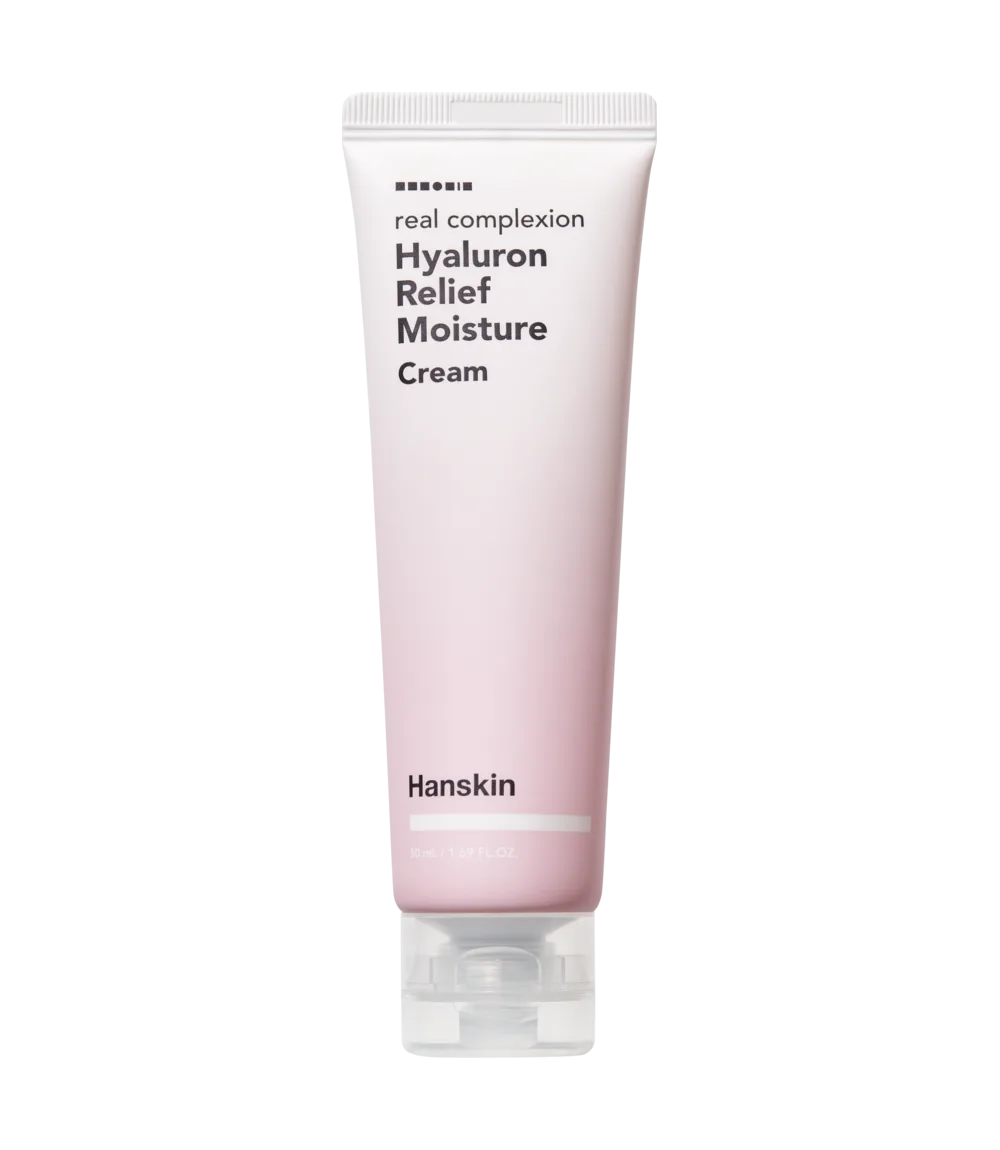
4. Seal moisture in with a cream. It holds water in and replenishes lipids. The Hyaluron cream with panthenol forms a moisture-locking film and suits even sensitive skin. Apply it morning and evening.
5. Protect skin from sun and cold. Finish your morning routine with sunscreen. In freezing weather, apply cream 20–30 minutes before going out.
6. Bring actives back one at a time. Once tightness and redness are gone, reintroduce renewing products gradually: one active every two to three weeks. For how to do it safely, see our articles on retinol and winter actives.
Ingredients that repair the barrier
- Ceramides are the base of the lipid mortar and close the gaps in the outer layer.
- Panthenol (provitamin B5) softens, hydrates and reduces sensitivity.
- Centella asiatica calms redness and speeds up recovery.
- Hyaluronic acid attracts and holds moisture.
- Niacinamide helps skin produce its own ceramides.
- Ectoin protects cells from stress and water loss.
What not to do while the barrier recovers
- do not try new products every day: skin needs stability;
- do not wash with hot water or rub your face with a towel;
- do not scrub or peel the flakes away;
- do not skip cream, even if your skin is oily.
How long recovery takes
With mild damage, comfort returns after one to two weeks of gentle care. A full renewal of the outer layer takes about a month, so a badly damaged barrier needs four to six weeks. If redness, itching and breakouts persist or get worse, see a dermatologist.
Frequently asked questions
Are the hydrolipid barrier and the lipid barrier the same thing? They are parts of one system. The lipid barrier is the mortar between the cells of the outer layer; the hydrolipid film is a thin layer of water and sebum on the surface. Together they are called the skin barrier.
Can I use retinol with a damaged barrier? It is better to pause. Retinol speeds up renewal, and damaged skin needs to recover first.
Does oily skin need a cream? Yes. Dehydration often makes oily shine worse. Choose light textures.
How do I know the barrier has recovered? Skin no longer feels tight after washing, tolerates your usual products, and the flaking and redness are gone.